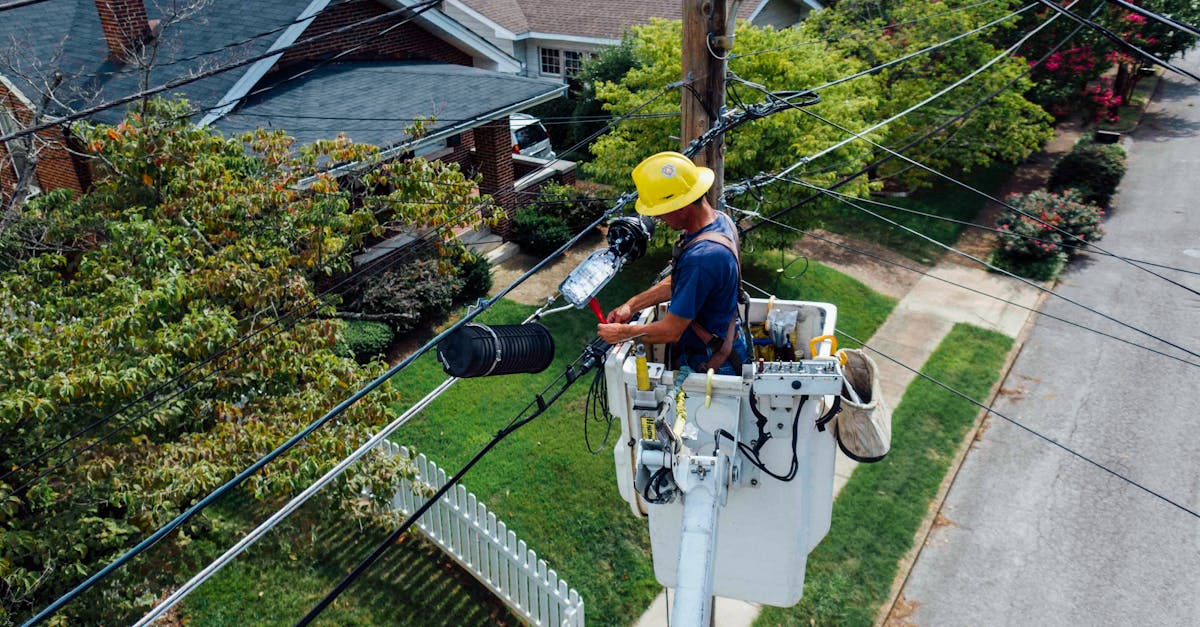
DIY vs Professional: The Best Approach for Power Point Installation
Table Of Contents
Time Investment for Installation
When considering the time needed for power point installation, it’s essential to acknowledge the differences between DIY and professional approaches. A novice undertaking such a task may require significantly more time due to the learning curve associated with understanding electrical systems and safety measures. Adequate preparation, including researching materials and tools, can also extend the overall timeline. On the other hand, experienced tradespeople are often able to complete installations more quickly, thanks to their familiarity with the process and potential access to workers who can assist.
Scheduling also plays a crucial role in estimating how long the installation will take. A DIY project might be influenced by personal commitments or unexpected challenges that arise during the process. Conversely, professionals typically follow a structured timeline, assuming they are not hindered by unforeseen complications. Their experience allows them to anticipate common issues and resolve them efficiently, which contributes to a more predictable completion timeframe. Understanding these factors can help individuals make an informed decision about their approach to power point installation.
Estimating DIY and Professional Project Timelines
Estimating the timeline for a DIY power point installation can vary significantly based on the individual's skill level and experience. Beginners may need to allocate extra time to understand the installation process, read through instructions, and potentially face unforeseen complications. Those with prior knowledge can complete the project more efficiently but should still consider time for gathering tools and materials. A rough estimate for DIY enthusiasts might range from a few hours to a full day, depending on the complexity of the installation and the number of power points being added.
In contrast, hiring a professional to handle the installation typically results in a more streamlined process. An experienced electrician is well-versed in local codes and regulations, which can significantly reduce the time spent on the job. They can often complete installations in a fraction of the time it would take a novice. Scheduling an appointment may require additional time, depending on the electrician's availability. However, the actual installation time generally falls within a few hours, offering peace of mind and assurance that the work complies with all safety standards.
Safety Regulations and Compliance
Compliance with safety regulations is vital in any electrical installation project. In Australia, adherence to the Australian Electrical Standards ensures not only the integrity of the system but also the safety of individuals involved in the installation. These standards govern various aspects, including the installation techniques, materials used, and the overall design of electrical systems. Failure to comply can lead to significant legal ramifications, as well as increased risks of accidents and hazards.
Both DIY enthusiasts and professional installers must prioritise safety measures. This includes using appropriate personal protective equipment and ensuring the workspace is free from hazards. Many regions also require specific certifications for electrical work, which adds another layer of complexity for those considering a DIY approach. Awareness and understanding of these regulations can be the difference between a successful installation and one that poses safety risks.
Understanding Australian Electrical Standards
Australian electrical standards ensure safe and efficient electrical installations. These standards are comprehensive, covering everything from wiring practices to the installation of electrical appliances. Compliance with these regulations is essential for any electrical work, whether performed by a professional or a DIY enthusiast. Adhering to these guidelines helps to mitigate risks, promote safety, and enhance the reliability of electrical systems within homes and businesses.
Understanding the latest standards also entails being aware of state-specific regulations. Different Australian states may have variations in their electrical guidelines, necessitating thorough research before commencing any installation work. Familiarity with the relevant codes is crucial, as non-compliance can lead to legal issues and significant safety hazards. Therefore, it is advisable to consult updated resources or seek professional input to ensure alignment with statutory requirements.
Tools Needed for DIY Installation
When considering a DIY approach to power point installation, having the right tools is crucial. A basic toolkit should include a screwdriver set, a voltage tester, and a drill with appropriate drill bits. Wire cutters and strippers are essential for preparing electrical wires, while pliers can assist with bending and holding wiring in place during installation. Moreover, an adjustable wrench will help tighten fittings securely.
Safety gear is also an important part of the toolkit. Wearing safety goggles protects your eyes from debris while working, and gloves can prevent cuts and electrical shocks. A sturdy ladder may be necessary for reaching higher areas, ensuring you can safely access locations for installation. Having these tools readily available will facilitate a smoother process and contribute to a successful power point installation.
Essential Equipment for Success
Embarking on a DIY power point installation requires specific tools to ensure a successful outcome. Essential equipment includes a wire stripper for preparing your wires, a multimeter to test connections, and a screwdriver for securing the power points. A drill may also be necessary for making holes, especially if you’re mounting a power point onto a wall or a surface that demands additional support. Each of these tools serves a critical role, contributing to both the efficiency and safety of the project.
In addition to tools, having the right materials on hand is crucial. Electrical cables must be suitable for the intended application, with properly rated circuit breakers to protect your installation. Insulating tape is also important, as it provides safety and protection against potential electrical hazards. Having a reliable voltage tester helps in identifying live wires before you begin work, reducing risk significantly. Preparing properly with the right equipment is a fundamental step in ensuring a smooth installation process.
FAQS
What are the main differences between DIY and professional power point installation?
The main differences include the level of expertise required, the tools and materials used, and the time commitment. Professionals typically have the necessary training and experience to ensure compliance with safety regulations, while DIY installations may rely on personal knowledge and skills.
How long does it typically take to install a power point as a DIY project?
The time it takes to install a power point as a DIY project can vary based on your experience and the complexity of the job, but it generally ranges from a few hours to a full day.
What safety regulations do I need to consider when installing a power point?
When installing a power point, it’s essential to adhere to Australian electrical standards, including ensuring proper circuit protection, correct wiring practices, and compliance with local regulations.
What tools are necessary for a successful DIY power point installation?
Essential tools for DIY power point installation include a screwdriver, wire stripper, voltage tester, drill, and safety gear such as gloves and goggles.
Can I install a power point myself if I have no prior experience?
While some homeowners may choose to attempt a DIY installation with no prior experience, it's highly recommended to seek assistance or hire a qualified electrician to ensure safety and compliance with regulations.
Related Links
Safety Standards to Consider for Residential Power PointsTroubleshooting Common Issues with Power Points in Homes
Understanding GPOs: General Power Outlets in Your Home
The Benefits of USB Power Points in Contemporary Homes
Power Point Installation for Home Renovations: What You Need to Know