Importance of Emergency Lighting Systems for Business Safety
Table Of Contents
Maintenance and Testing Protocols
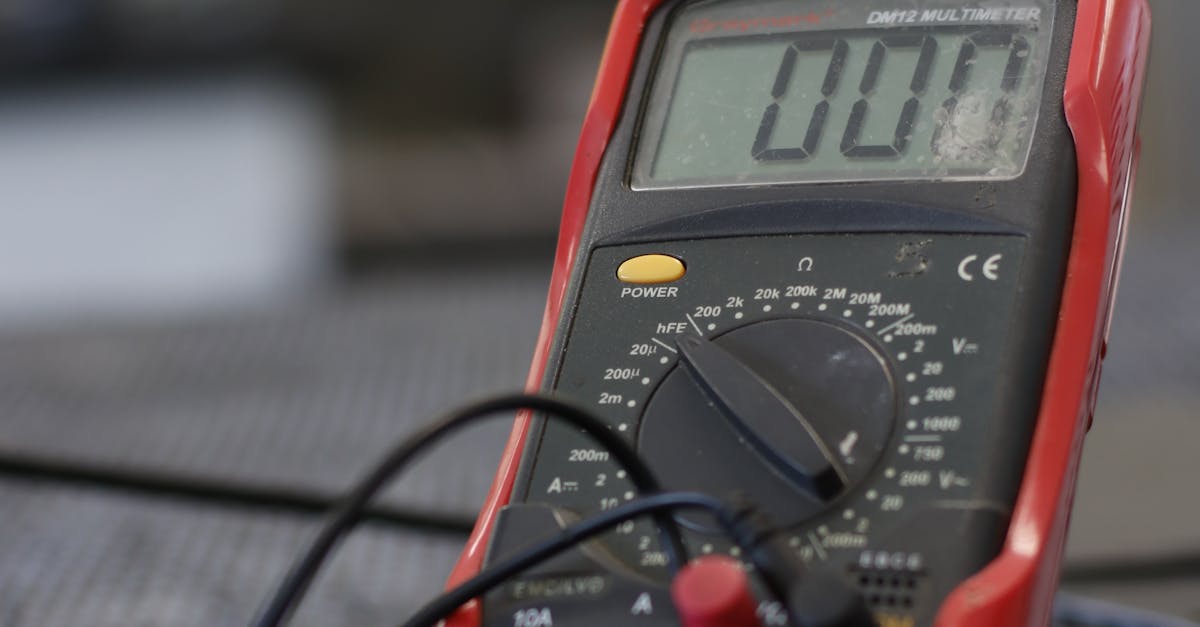
Regular maintenance and testing of emergency lighting systems is crucial to ensure they function effectively during an emergency. Routine inspections should include checking the battery health, verifying that all lights are operational, and confirming that the systems meet relevant safety standards. It is advisable to document each testing session, noting any issues that arise and the corrective actions taken to maintain the integrity of the lighting systems.
Establishing a maintenance schedule also helps in compliance with legal requirements, which mandates that businesses keep their emergency lighting fully operational. Practical steps include conducting monthly functional tests and annual discharge tests to assess battery performance and overall efficiency. Training staff on the importance of these protocols fosters a culture of safety and awareness, making the workplace better prepared for potential emergencies.
Best Practices for Keeping Systems Operational
Regular inspection and maintenance of emergency lighting systems play a crucial role in ensuring their effectiveness. Business owners should establish a schedule that adheres to local regulations and manufacturer guidelines. This includes checking the condition of light fixtures, ensuring batteries are functioning properly, and replacing any damaged components promptly. Keeping a detailed log of inspections, tests, and repairs can help identify patterns and prevent potential malfunctions.
In addition to routine checks, staff training is essential for optimal system performance. Employees should be familiar with the location and operation of emergency lighting fixtures. Conducting regular drills can reinforce their knowledge and confidence in using emergency lights effectively during a crisis. A well-informed workforce is better prepared to respond to emergencies, ensuring a smoother evacuation process while maximising safety for everyone involved.
Integration with Other Safety Measures
Emergency lighting systems play a crucial role in the overall safety strategy of a business, especially when integrated with other essential safety measures. When these systems work in tandem with fire alarms, the effectiveness of emergency responses can significantly improve. The instant illumination provided by emergency lighting helps guide occupants safely through evacuation routes, while the fire alarms alert everyone to the immediate danger. Effective communication between these systems ensures that all personnel are aware of potential risks, facilitating a swift and coordinated response during emergencies.
Coordinating emergency lighting with other safety equipment can enhance preparedness. Integrating these systems with security and surveillance cameras provides an additional layer of safety in identifying hazards during an emergency. This synergy not only improves situational awareness but also aids in quicker decision-making by emergency responders. By establishing these connections, businesses can create a more holistic safety environment, ensuring that all components function seamlessly in critical situations.
Coordinating Emergency Lighting with Fire Alarms
Emergency lighting systems and fire alarms serve complementary roles in ensuring safety during crises. When a fire breaks out, the immediate priority is to facilitate a swift and safe evacuation. By linking emergency lighting to fire alarms, businesses can ensure that evacuation routes are well-lit when alarms trigger. This integration allows for a clear and safe path out of the building, reducing confusion among occupants in an emergency situation.
Implementing a coordinated approach involves regular testing and maintenance of both systems. Synchronisation requires professionals who understand the nuances of each system. Effective communication between fire safety consultants and technicians who manage lighting systems is vital. This synergy not only heightens the overall safety measures within a business but also contributes to a comprehensive emergency response plan that can be shared with all employees.
Impact on Insurance Premiums
Emergency lighting systems play a significant role in influencing insurance premiums for businesses. Insurers assess various risk factors when determining policy costs. A well-maintained emergency lighting system indicates a commitment to safety. This can lead to a reduction in premiums as insurers recognise a lower risk of incidents that may require significant claims.
In addition to potentially lowering costs, having effective emergency lighting can also enhance a business's overall liability profile. Insurance companies may view proactive safety measures favourably, which translates into more competitive coverage options. When businesses invest in such systems, they not only protect their employees and assets but also create an appealing case for insurers, helping to mitigate financial risks associated with emergencies.
How Emergency Lighting Affects Business Liability
Emergency lighting systems play a pivotal role in mitigating business liability by ensuring that safe egress paths are illuminated during power outages or emergencies. When a business fails to provide adequate emergency lighting, it may increase the risk of accidents. Inadequate lighting can lead to injuries, which in turn can result in costly litigation and damage claims. Properly installed and maintained emergency lighting demonstrates a commitment to safety, which can be a crucial factor during legal proceedings.
Insurance providers often scrutinise a business’s safety measures when determining premiums and coverage. Inadequate emergency lighting can lead to higher premiums due to the perceived increased risk of liability claims. Conversely, businesses that invest in robust emergency lighting systems may find more favourable insurance rates and coverage options. This proactive approach not only enhances safety but can also ensure financial protection for the business in the event of an incident.
FAQS
Why are emergency lighting systems important for businesses?
Emergency lighting systems are crucial for ensuring the safety of employees and customers during power outages or emergencies. They provide essential illumination to help people evacuate safely and can reduce the risk of injuries.
How often should emergency lighting systems be tested?
Emergency lighting systems should be tested monthly to ensure they are operational. Additionally, a more thorough inspection and a full discharge test should be conducted annually to verify the system’s reliability.
What are some best practices for maintaining emergency lighting systems?
Best practices include regular inspections, replacing faulty bulbs, ensuring batteries are charged and functional, and keeping a maintenance log to track performance and repairs.
How should emergency lighting be integrated with other safety measures?
Emergency lighting should be coordinated with fire alarms and other safety systems to ensure a seamless response during an emergency. This includes having clear signage and ensuring the lighting activates simultaneously with alarm systems.
Can having emergency lighting systems impact my business's insurance premiums?
Yes, having functioning emergency lighting systems can positively impact your business's insurance premiums. Insurers often see these systems as a risk reduction measure, potentially leading to lower rates due to decreased liability risks.
Related Links
How to Maintain Emergency Lighting Systems for Optimal PerformanceThe Role of Emergency Lighting in Compliance with Australian Safety Standards
Choosing the Right Emergency Lighting Solutions for Different Spaces
The Process of Testing and Servicing Emergency Lighting Systems
Innovative Technologies in Emergency Lighting Installations