Tips for Managing Electrical Issues Before the Electrician Arrives
Table Of Contents
Common Electrical Fixes You Can Try
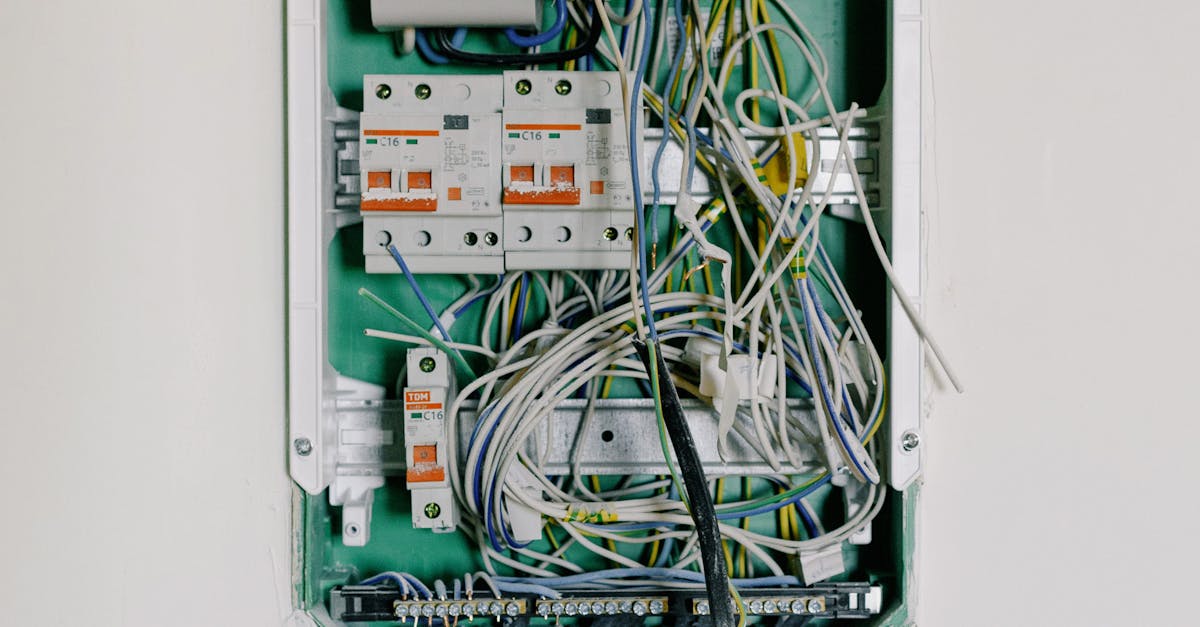
Fuses blow and breakers trip for various reasons. Checking these components is often the first step in troubleshooting electrical issues at home. Make sure to inspect the fuse box for any blown fuses or tripped breakers. Replacing a blown fuse is straightforward, while resetting a breaker typically involves flipping it back to the 'on' position. Addressing these simple fixes can resolve many basic electrical problems without calling for professional help.
If issues persist after dealing with fuses and breakers, a few other quick fixes can be attempted. Start by checking light bulbs for faults, as a burnt-out bulb can cause an entire light fixture to appear non-functional. Ensure all plugs and connections are secure. Sometimes, a loose connection can lead to sporadic power supply. Tightening these connections may bring the appliance or fixture back to life, providing immediate relief until further action is necessary.
Simple Solutions for Everyday Electrical Issues
Flickering lights can often be a nuisance but are usually simple to remedy. First, check if the bulb is securely screwed in. Loose connections can cause power fluctuations. If the bulb is in place, try replacing it with a new one, as burnt-out bulbs are a common issue. If the problem persists after bulb replacement, it might be worth examining the fixture itself for any visible signs of wear or damage.
Another common issue involves tripped circuit breakers. If appliances or lights stop working suddenly, locate your circuit breaker panel and check for any switches that have flipped to the "off" position. Resetting the breaker may solve the problem. If it trips again, limit the number of appliances sharing that circuit or consider redistributing the load to avoid overloading it. These straightforward actions can often rectify minor electrical hiccups without engaging a professional.
Managing Overloaded Circuits
Overloaded circuits can lead to significant problems, including tripped breakers and potential fire hazards. To avoid these issues, it's essential to understand the limits of your circuits. Each circuit in your home is designed to handle a specific amount of electrical load, typically measured in amperes. Taking note of how many devices are connected to each circuit can help prevent overloads.
Distributing your electrical devices across multiple circuits can ease the strain on any single one. Use power boards with built-in overload protection as a temporary solution, but be cautious of how many devices you connect. Regularly check for any unusual heat or signs of wear around outlets and switches. Consulting the labels on appliances for their power requirements can also assist in maintaining a balanced load throughout your home.
Understanding Circuit Load and Distribution
Electrical systems are designed to handle a specific amount of current, known as the circuit load. When too many devices are connected to a single circuit, it can lead to overloads, which may cause fuses to blow or circuit breakers to trip. Understanding the limits of your circuits is essential for maintaining a safe and functional electrical system. Each circuit is rated for a maximum load, typically measured in amps, and this should be adhered to when planning the use of multiple appliances.
Distribution of electrical load across various circuits can prevent overloading and ensure efficient operation of your electrical system. By strategically spreading your devices between different circuits, you can minimise the risk of circuit failures. It may also be helpful to identify which circuits power high-demand appliances like refrigerators or heaters. Properly understanding and managing circuit load can enhance both safety and efficiency in your home environment.
Troubleshooting Flickering Lights
Flickering lights are a common issue that can occur for various reasons. In many cases, it is simply due to a loose bulb or a faulty connection. To start troubleshooting, ensure the bulb is securely tightened in its socket. If that doesn’t resolve the problem, you may want to replace the bulb with a new one to rule out any issues with the existing bulb.
If the flickering continues after checking the bulb, the problem could lie within the wiring or the light fixture itself. Examine the connections in the light fixture for any signs of corrosion or damage. Additionally, take notice if the flickering occurs across multiple fixtures; this may indicate a larger electrical issue that could require professional attention. Always prioritise safety and if in doubt, contact a qualified electrician for further assessment.
Causes and Quick Fixes for Light Issues
Flickering lights can often be attributed to loose or faulty bulbs. A simple solution involves checking the bulb to ensure it is securely screwed in. If the bulb appears damaged or burned out, replacing it is the next step. Electrical connections within the fixture may also be a source of the problem. Turning off the power to the fixture and inspecting for any loose wires can prevent further issues and enhance safety.
Another common cause of flickering is fluctuations in voltage, often due to overloaded circuits. If multiple appliances draw power from the same circuit, performance can suffer. It's wise to limit the number of devices operating simultaneously on that circuit. If the flickering persists, look into hiring a qualified electrician to assess the situation, as it may indicate a more serious electrical problem in your home.
FAQS
What are some common electrical fixes I can try before calling an electrician?
Common electrical fixes include resetting tripped circuit breakers, replacing blown fuses, checking light bulbs, and ensuring all connections are secure.
How can I manage overloaded circuits in my home?
To manage overloaded circuits, avoid plugging too many devices into a single outlet, distribute appliances across different circuits, and consider using power strips with built-in surge protection.
What should I do if my lights are flickering?
If your lights are flickering, first check if the bulbs are securely screwed in. If the problem persists, inspect the circuit for loose connections or contact an electrician for further investigation.
How can I determine the load on my electrical circuits?
To determine the load on your circuits, you can calculate the wattage of all devices plugged into a circuit by adding up their individual wattages. Ensure the total does not exceed the circuit's capacity, typically 15 or 20 amps.
When is it necessary to call an electrician for electrical issues?
You should call an electrician if you encounter persistent problems, such as frequent tripping of circuit breakers, burning smells, sparking outlets, or if you're unsure about handling electrical repairs safely.
Related Links
What to Expect During an Emergency Electrical Call-OutHow to Choose the Right Emergency Electrician in Warragul
FAQ: Emergency Call-Out Services for Electrical Faults
Cost Factors of 24/7 Emergency Electrical Repairs
Emergency Electrical Services: Responding Quickly in Warragul