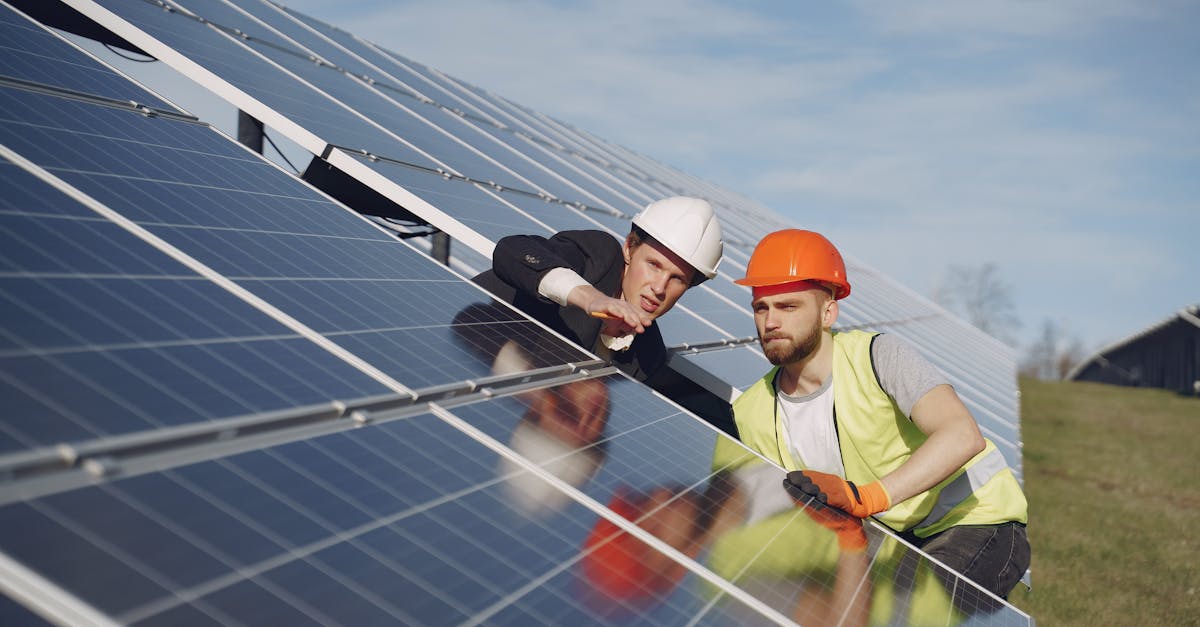
Understanding the Government Incentives for Energy Efficiency
Table Of Contents
Common Misconceptions About Energy Efficiency Incentives
Many people believe that government incentives for energy efficiency are only available to large corporations or affluent households. This misconception overlooks the fact that numerous programs are specifically designed to assist everyday consumers and small businesses. Various local and state initiatives target low-to-moderate income households, making energy-efficient upgrades more accessible to a broader audience.
There is also a common assumption that the application process for these incentives is overly complicated and time-consuming. While it can vary depending on the specific program, many incentives now offer streamlined applications. Several agencies have improved their systems, providing online resources and support to help individuals navigate the process more smoothly.
Debunking Myths
Energy efficiency incentives are often clouded by misconceptions that can discourage participation. Many individuals believe that these incentives only apply to large businesses or that they involve complex procedures that are too daunting to navigate. In reality, numerous programs cater to a diverse range of participants, including homeowners, small businesses, and non-profit organisations. Processes are designed to be straightforward, with many government resources available to assist applicants in understanding eligibility and submission requirements.
Another widespread myth suggests that accessing these incentives requires substantial upfront investment. While some energy efficiency improvements may necessitate initial expenditure, many programs offer rebates, tax credits, or low-interest loans that alleviate financial burdens. Furthermore, long-term savings on energy bills often offset the initial costs, demonstrating that the benefits from participating in energy efficiency programmes can outweigh any temporary financial concerns.
Future Trends in Energy Efficiency Incentives
As awareness of environmental issues grows, so does the innovation surrounding energy efficiency incentives. Governments are increasingly adopting a holistic approach, combining financial support with educational programs. New technologies in renewable energy and smart home systems are expected to be integrated into incentive structures. This shift encourages homeowners and businesses to adopt more sustainable practices while simplifying the pathway to access financial aid.
Anticipated trends include the expansion of tax credits and rebates aimed at both individual consumers and large corporations. Collaborative efforts among local, state, and federal agencies are likely to create more streamlined application processes. The rise of energy efficiency as a component of broader climate action plans reflects a commitment to sustainability. Policymakers are also expected to explore partnerships with private sector organisations, further enhancing the impact of incentive programmes.
What to Expect in Coming Years
The landscape of energy efficiency incentives is likely to evolve significantly in the coming years. Governments are expected to adopt more comprehensive strategies aimed at reducing overall energy consumption. Initiatives could include increased funding for renewable energy projects and enhanced rebates for energy-efficient appliances. This shift may reflect a growing recognition of the economic benefits associated with sustainability and the urgent need to address climate change.
Technological advancements will also play a crucial role in shaping future incentives. As smart home technology becomes more prevalent, consumers may benefit from incentives that encourage the integration of these technologies. Greater collaboration between public and private sectors is anticipated, leading to innovative financing models and increased accessibility to energy-efficient solutions for households and businesses alike. These developments may create a more supportive environment for energy conservation and environmental responsibility.
Key Organisations Involved in Energy Efficiency
Various governmental bodies play a critical role in shaping energy efficiency initiatives across Australia. The Department of Industry, Science, Energy and Resources is instrumental in formulating policies that promote sustainable energy practices. Collaborations with state governments and local councils further enhance the implementation of energy-saving measures. These partnerships often focus on establishing standards and guidelines, facilitating workshops, and providing resources for both businesses and consumers.
In addition to government agencies, non-profit organisations contribute to the discourse on energy efficiency by conducting research and awareness campaigns. Groups such as the Clean Energy Council advocate for cleaner energy solutions and inform the public about the benefits of energy-efficient practices. Industry associations also engage in promoting best practices among members, further driving the adoption of energy-efficient technologies across various sectors.
Role of Government Agencies
Government agencies play a crucial role in promoting energy efficiency by developing and implementing various incentive programs. These initiatives often include rebates, tax credits, and grants aimed at encouraging businesses and homeowners to adopt energy-efficient technologies. By providing financial support, agencies help to lower the initial costs associated with upgrading equipment or retrofitting buildings, making it more accessible for many individuals and organisations.
In addition to financial incentives, these agencies also focus on education and outreach to raise awareness about the benefits of energy efficiency. Through workshops, informational resources, and collaborations with industry stakeholders, they aim to inform the public and businesses about available programs and how to maximise their energy savings. This holistic approach not only fosters a culture of energy conservation but also aligns with broader environmental and economic goals set by the government.
FAQS
What are government incentives for energy efficiency?
Government incentives for energy efficiency are programs and financial benefits provided by local, state, or federal governments aimed at encouraging individuals and businesses to adopt energy-efficient practices and technologies. These may include rebates, tax credits, grants, and low-interest loans.
How do I qualify for energy efficiency incentives?
Qualification for energy efficiency incentives varies depending on the specific program and the governing body offering it. Generally, applicants may need to meet certain criteria regarding income level, property type, or the specific energy-efficient measures they plan to implement.
Are there common misconceptions about energy efficiency incentives?
Yes, common misconceptions include the belief that these incentives are only available for large businesses, that the application process is too complicated, or that energy-efficient upgrades are too expensive. In reality, many incentives are designed for residential properties and can significantly reduce the cost of upgrades.
What future trends should we expect in energy efficiency incentives?
In the coming years, we may see increased funding for energy efficiency programs, a shift towards more comprehensive incentives that include renewable energy integration, and a focus on digital tools and technologies that make it easier for consumers to access information and apply for incentives.
Which organisations are involved in promoting energy efficiency incentives?
Key organisations include government agencies at various levels (such as the Department of Energy), non-profit organisations focused on sustainability, and utility companies that often administer incentive programs to promote energy-saving measures among their customers.
Related Links
Exploring Options for Energy-Saving HVAC SystemsImplementing Smart Metering for Better Energy Management
Upgrading to Energy-Efficient Appliances: A Guide for Businesses
The Impact of Building Materials on Energy Efficiency
Benefits of Commercial Solar Power Systems in Warragul
Cost-Effective Energy Solutions for Local Retailers in Warragul
The Role of LED Lighting in Enhancing Energy Efficiency