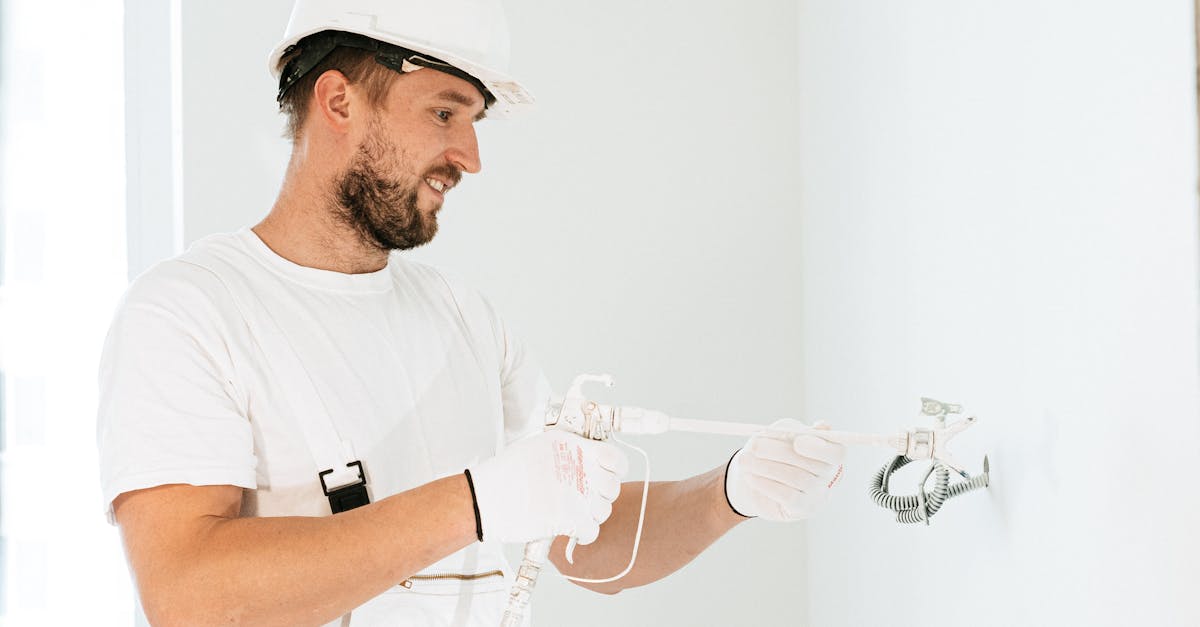
Step-by-Step Process for Safe Home Rewiring in Warragul
Table Of Contents
Preparing Your Home for Rewiring
Before starting any rewiring project, it is crucial to assess the existing electrical system. Identify any areas that require upgrades beyond simple rewiring. Consulting with a licensed electrician can provide valuable insights into possible improvements and necessary modifications. Gathering this information upfront can facilitate a smoother process and help to address potential safety concerns.
Clearing the work area is essential for effective rewiring. Remove furniture and belongings from the affected rooms to provide easy access to walls and power points. This allows the electricians to work efficiently and reduces the risk of damage to personal items. Ensure that pets and children are kept at a safe distance from the work zone to avoid accidents during the rewiring process.
Steps to Minimise Disruption During the Process
To ensure a smooth rewiring process, consider creating a dedicated workspace for electricians. This area should be easily accessible and free from obstacles. Moving furniture and personal belongings away from the work zones can significantly enhance efficiency while providing a safer environment for workers. It also minimises the risk of damage to your possessions during the rewiring efforts.
Establishing a clear communication plan with the electrical team is essential. Discuss timeframes and daily schedules to prepare everyone in the household for potential inconveniences. Inform family members about any planned power outages and encourage them to make alternate arrangements for essential appliances. Keeping lines of communication open ensures that everyone is informed and can adjust accordingly, significantly reducing disruption during the project.
The Rewiring Process Explained
Rewiring a home involves a series of systematic steps to ensure safety and compliance with electrical standards. Initially, the assessment of the current wiring system is crucial. Electricians examine the state of existing wires, circuit breakers, and outlets. This evaluation helps identify areas that require significant upgrades or replacements. Following this assessment, planning the layout for new wiring takes place, ensuring that every room is adequately serviced and meets the homeowner’s needs.
After the planning stage, the actual installation begins with turning off the power supply. This step is essential for the safety of both the electrician and the home. Old wiring is removed carefully to prevent damage to the structure. Once the old system is dismantled, new wiring is laid according to the pre-approved plan. Finally, after installation, a thorough inspection takes place, ensuring everything complies with local regulations before the power is restored.
A Breakdown of Key Steps in Rewiring
The initial phase in the rewiring process involves assessing the existing electrical system and identifying any potential hazards. An electrician will inspect wiring, circuit breakers, and outlets to determine compliance with safety standards. This evaluation allows for a tailored rewiring plan that addresses specific needs in the home while ensuring adherence to regulations. Homeowners should be present during this assessment to discuss their requirements and preferences.
Once the evaluation is complete, preparation for the rewiring starts. This step requires careful planning to determine the layout of new wiring, placement of outlets, and integration of modern fixtures. It is essential to mark existing wiring paths, which aids in minimising structural interference. After receiving the necessary approvals, the electrician can proceed with removing old wiring and installing the new system efficiently while keeping the environment as tidy as possible.
Safety Protocols During Rewiring
Ensuring safety during the rewiring process is paramount. Before any work begins, it is crucial to turn off the power at the main switch. This simple step significantly reduces the risk of electrical shock. Using insulated tools also provides an added layer of security. Homeowners should keep the work area clear of debris and unnecessary clutter to allow for safe movement. Additionally, wearing protective gear such as gloves and goggles can help prevent injuries from accidental contact with wires or tools.
Communication with all involved parties is vital to maintaining safety. Inform all household members about the rewiring schedule and any potential hazards. Posting warning signs around the work area can further emphasise the importance of caution. If external contractors are used, ensuring they follow safety protocols is essential. Hiring certified electricians ensures that industry regulations are met and quality standards are upheld. Regular checks on equipment and tools for wear and tear can also mitigate risks throughout the project.
Essential Precautions to Follow
Prioritising safety during home rewiring is essential to protect both occupants and the property. Start by ensuring all electrical devices are unplugged and that the main power supply is turned off. Use appropriate safety gear, including insulated gloves and safety glasses, to mitigate risks while working. Familiarise yourself with the layout of wiring in your home to avoid surprises that could lead to injury during the process. Proper planning can help prevent accidents and keep everyone in the home secure.
It is also prudent to hire licensed professionals for the rewiring task. They possess the necessary experience and knowledge to identify potential hazards and can ensure that the work meets local regulations and standards. If any visible signs of old or damaged wiring are discovered, address these promptly to avoid further complications or safety issues. Informing all household members about the rewiring schedule can also help manage expectations and minimise disruptions effectively.
FAQS
What should I do to prepare my home for rewiring?
To prepare your home for rewiring, start by clearing the areas around electrical outlets and switches. Move furniture and personal items to ensure easy access for electricians. You should also turn off the main power supply to ensure safety during the process.
How can I minimise disruption during the rewiring process?
To minimise disruption, communicate with your electrician about the schedule and areas that will be affected. Consider planning the rewiring during a time when you’ll be away from home, and try to limit access to only essential areas.
What are the key steps involved in the rewiring process?
The key steps in the rewiring process typically include assessing the current wiring, creating a plan for the new wiring, removing old wiring, installing the new wiring, and finally testing the system to ensure everything is working properly.
What safety protocols should I follow during rewiring?
During rewiring, ensure that you adhere to safety protocols such as turning off the power supply, using insulated tools, and avoiding contact with live wires. It's also recommended to hire a licensed electrician to handle the rewiring for added safety.
How can I ensure that my rewiring complies with local regulations in Warragul?
To ensure compliance with local regulations, make sure to hire a licensed and insured electrician who is familiar with Warragul's building codes. They will be able to handle all necessary permits and ensure that the work meets safety standards.
Related Links
Understanding the Costs Associated with Home Wiring in WarragulCommon Wiring Issues and Solutions for Warragul Homeowners
Innovative Wiring Solutions for Modern Australian Homes
Top Signs Your Home Needs Electrical Rewiring in Warragul
The Importance of Hiring Licensed Electricians for Rewiring
Why You Should Prioritise Electrical Inspections Before Rewiring
Essential Considerations for Rewiring Older Homes in Warragul
Benefits of Professional Wiring Services for Warragul Residents