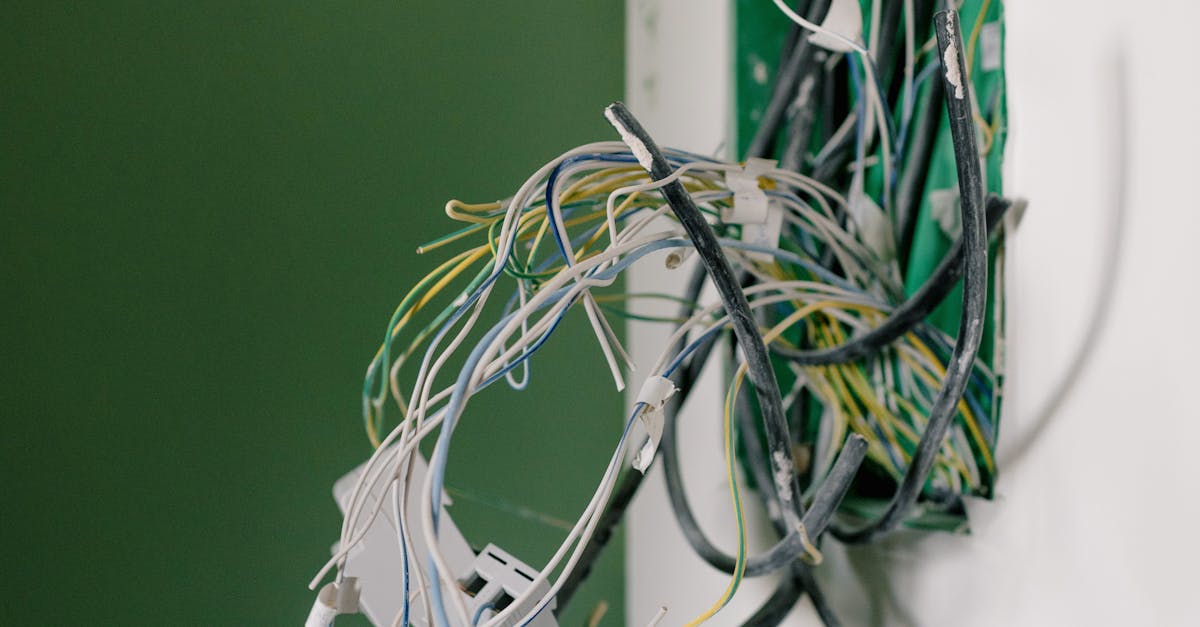
Understanding the Costs Associated with Home Wiring in Warragul
Table Of Contents
Average Home Wiring Project Costs
The overall expenses for home wiring can significantly vary based on several factors, including the size of the property and the complexity of the project. On average, homeowners can expect to pay anywhere from AUD 100 to AUD 200 per circuit for new installations. Additional costs may arise from upgrading existing wiring, which often involves additional labour and materials.
Other expenses may include permits and inspections required by local regulations. Engaging a qualified electrician is essential, and their rates generally range from AUD 80 to AUD 150 per hour. These elements combined can lead to considerable fluctuations in the total cost, making careful budgeting necessary for any home wiring project.
Estimating Expenses for Various Projects
When planning a home wiring project, it's crucial to consider a range of factors that can influence the overall expense. The cost will largely depend on the size of the property and the complexity of the wiring tasks required. For example, a basic rewire might be more affordable whereas projects that involve installing smart home technologies or upgrading to higher-capacity circuits can lead to significantly higher costs. It’s also important to factor in the time required to complete the work, as longer projects will generally increase labour charges.
Another aspect to consider is the type of materials used during the wiring process. Quality of wiring, switches, and outlets can vary widely, impacting both initial and long-term expenses. Using premium materials may enhance the durability and safety of the electrical system, but it also raises upfront costs. Additionally, local regulations and compliance requirements can impose extra fees, so obtaining quotes from licensed electricians is a practical step to gauge expected expenses accurately.
Long-Term Costs of Home Wiring
When considering home wiring, it is crucial to understand the potential long-term expenses that can arise. Over the years, wiring may require upgrades or replacements due to wear and tear, particularly in older homes. This necessitates budgeting for repairs or enhancements, which can vary based on the type of materials used and the complexity of the installation. Regular inspections are advisable to catch any issues early, preventing more significant costs down the line.
Additionally, energy efficiency plays a significant role in long-term wiring costs. Upgrading to modern wiring systems can lead to improved efficiency, resulting in lower energy bills over time. The initial investment in high-quality wiring may seem steep, yet the long-term savings on electricity bills can offset these costs significantly. Furthermore, energy-efficient systems may qualify homeowners for incentives or rebates that can help reduce overall expenses.
Maintenance and Upgrading Expenses
Proper maintenance of home wiring is crucial for ensuring safety and functionality. Regular inspections can help identify wear and tear, leading to early intervention and repair before more significant issues arise. Homeowners should budget for these inspections, which can vary in cost depending on the complexity of the wiring and the expertise of the electrician. In addition to inspections, the replacement of outdated wiring can also incur substantial costs, particularly if the home requires a complete rewiring to meet modern standards.
Upgrading electrical systems is often necessary when adding new appliances or technology, especially in homes built several decades ago. The cost of upgrading can vary based on the scope of work needed, such as adding circuits, upgrading to a higher amperage panel, or installing more outlets. Homeowners should consider both immediate expenses and long-term savings, as investing in a modern electrical system can enhance safety and reduce energy inefficiencies. Careful planning can help manage these costs effectively while improving the overall functionality of the home.
Energy Efficiency and Wiring
The choice of wiring can significantly influence a home's energy efficiency. Modern wiring materials, such as copper, offer better conductivity than older alternatives like aluminium. Upgrading to higher-quality wiring can reduce energy loss, translating to lower utility bills in the long run. Furthermore, ensuring that circuits are designed efficiently contributes to optimal energy use.
Incorporating energy-efficient appliances and lighting into home wiring plans is essential. Smart wiring solutions allow homeowners to control energy consumption more effectively. Additionally, integrating systems that monitor power usage aids in identifying areas for improvement. This proactive approach not only enhances comfort but also supports sustainable living by reducing the overall carbon footprint of the home.
Impact on Utility Bills
Proper home wiring significantly impacts energy efficiency and can lead to lower utility bills. High-quality wiring, including the installation of energy-efficient fixtures and appliances, ensures that electricity is used more effectively. Outdated or faulty wiring may lead to increased energy consumption due to power loss. Investing in modern solutions can not only enhance safety but also reduce unnecessary costs associated with wasted electricity.
Regular maintenance of wiring systems also contributes to controlling utility expenses. Electrical systems that are kept up to date and inspected periodically function optimally, which translates to better energy management within the home. Homeowners may notice a gradual decrease in power bills when they address any existing issues and upgrade to energy-efficient options. This proactive approach not only saves money in the long run but also contributes to a sustainable lifestyle.
FAQS
What is the average cost of a home wiring project in Warragul?
The average cost of a home wiring project in Warragul can vary significantly depending on the size of the home, the complexity of the wiring, and specific project requirements. On average, homeowners might expect to spend between $3,000 to $10,000 for complete rewiring.
How can I estimate expenses for specific wiring projects?
To estimate expenses for specific wiring projects, it's best to seek multiple quotes from local electricians, consider the materials needed, and account for labour costs. Additionally, reviewing similar projects and their costs can provide a helpful benchmark.
What are the long-term costs associated with home wiring?
Long-term costs associated with home wiring include maintenance and repairs, potential upgrades for energy efficiency, and increased utility bills if the wiring is outdated or inefficient. Regular maintenance can help minimise unexpected expenses.
What maintenance should I consider for home wiring?
Regular maintenance for home wiring includes checking for signs of wear, ensuring circuit breakers are functioning properly, and scheduling periodic inspections by a licensed electrician to identify any potential issues early on.
How does home wiring affect energy efficiency?
Home wiring can significantly impact energy efficiency by ensuring that electrical systems are operating optimally. Properly installed and maintained wiring reduces energy loss, which can lead to lower utility bills and improved energy consumption in the home.
Related Links
Why You Should Prioritise Electrical Inspections Before RewiringStep-by-Step Process for Safe Home Rewiring in Warragul
Innovative Wiring Solutions for Modern Australian Homes
Top Signs Your Home Needs Electrical Rewiring in Warragul
The Importance of Hiring Licensed Electricians for Rewiring
Common Wiring Issues and Solutions for Warragul Homeowners